
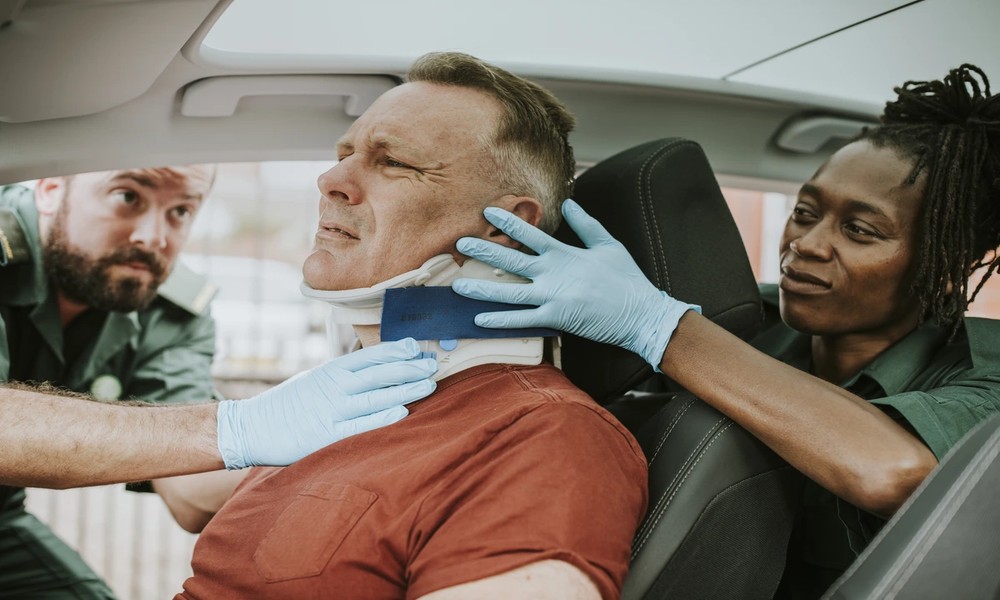
You walked away from the accident. The car is damaged, but you feel shaken more than hurt. Maybe a little stiff in the neck, a dull ache across the shoulders – nothing that makes you think twice about declining the paramedics. You exchange information, file a report, and figure you’ll feel better in a day or two. Then day three arrives and you can barely turn your head.
Attorney Dustin Maricic has seen this sequence play out more times than he can count. Soft tissue injuries are the most frequently underestimated category of car accident harm, and the gap between how minor they feel at the scene and how significantly they affect daily life often determines whether a victim settles for far less than they deserve – or gets properly compensated.
What “Soft Tissue” Actually Means
Soft tissue refers to everything that isn’t bone: muscles, tendons, ligaments, and fascia. When a car is struck – even at relatively low speeds – the human body absorbs force that the vehicle’s frame was designed to redirect. That force moves through soft tissue structures that were not built to handle sudden, high-intensity loads applied in fractions of a second.
Whiplash is the most recognized soft tissue injury from car accidents, and also the most dismissed. The name sounds minor. It isn’t. Whiplash occurs when the head is snapped forward and back rapidly, overstretching the muscles and ligaments of the cervical spine. Depending on the severity, it can cause neck pain and stiffness, shoulder and upper back pain, headaches originating at the base of the skull, jaw pain, arm tingling or numbness, difficulty concentrating, and disrupted sleep. Some patients recover within weeks. Others deal with chronic symptoms for months or years.
Sprains and strains of the lower back are equally common and follow a similar pattern – often not fully felt until 24 to 72 hours after impact, sometimes longer.
Why the Delay in Symptoms Is the Most Dangerous Part
Adrenaline is the physiological reason people feel fine at the scene. The body’s emergency response to trauma temporarily suppresses pain perception. By the time that adrenaline clears your system – typically within hours – the inflammation process has begun, and that’s when the pain surfaces.
The danger is not just physical. It’s legal and financial. Insurance companies use delayed symptoms against claimants aggressively. If you told an adjuster you felt fine the day of the accident, that statement goes on record. When you call back three days later saying you can’t sleep from neck pain, the adjuster’s next question is whether something else happened in between. Did you sleep wrong? Did you do yard work? Were you in another incident?
This is not an accident of the system. It is the system working as insurers intend it to. Documented delays in the onset of symptoms are used to break the chain of causation between the crash and your injury, reducing or eliminating what they’ll pay.
The Settlement Timing Problem
Insurance companies often make settlement offers quickly after accidents involving soft tissue injuries – sometimes within a week. The offer sounds reasonable in the moment, particularly when you’re stressed, your car is in the shop, and you haven’t been back to see a doctor yet.
What you almost certainly don’t know at that point: the full trajectory of your recovery. Soft tissue injuries have variable timelines. Some require weeks of physical therapy. Some lead to MRI findings that weren’t visible in the early days post-accident. Some produce chronic pain syndromes that affect long-term earning capacity. Once you accept a settlement and sign a release, all of that future harm becomes your financial problem alone.
California allows injury victims to pursue compensation for past and future medical expenses, lost wages, and non-economic damages including ongoing pain and suffering. You cannot do that after signing away your right to claim. The release is permanent.
How Soft Tissue Injuries Are Documented – and Why It Matters
One challenge with soft tissue injuries is that they often don’t show up on standard X-rays, which only image bone. This creates an opening for insurers to argue that because “nothing showed up,” the injury isn’t real or serious. It’s a misleading argument, but it works when claimants don’t know how to counter it.
MRIs are far more useful for soft tissue damage. They can reveal disc herniations, ligament tears, and muscle damage that X-rays miss entirely. Consistent treatment records with a physician, chiropractor, or physical therapist also build a timeline that’s difficult to dismiss. A doctor’s notes documenting pain levels, range of motion limitations, and functional restrictions over multiple visits create a medical narrative that supports both the existence and the severity of the injury.
This is why seeking medical care immediately after an accident matters so much – not just for your health, but for your claim. Every day that passes before your first post-accident visit is a day the insurance company can point to as evidence that the injury wasn’t serious.
What Attorney Dustin Does Differently With Soft Tissue Cases
Soft tissue cases are frequently undervalued by large personal injury firms that push volume over thoroughness. When the injury doesn’t involve a fracture or surgery, some attorneys move quickly toward settlement without fully developing the record. Attorney Dustin takes a different approach.
He works closely with treating physicians to ensure the medical documentation reflects the full scope of the injury – including how it affects sleep, work, daily function, and quality of life. He attends appointments when appropriate to understand the medical picture firsthand. And he doesn’t push clients toward settlement before their condition has stabilized and the long-term prognosis is clear.
For residents of Murrieta, Temecula, and the broader Southwest Riverside County area, that attention to detail has consistently produced better outcomes than early, underinformed settlements.
Don’t Let the Insurance Company Define What Your Injury Is Worth
Soft tissue injuries are real, they can be serious, and they have a documented tendency to cost victims far more than they initially appear. If you’ve been in a car accident and you’re experiencing neck pain, back pain, headaches, or any symptoms that developed in the days following the crash, treat it as the injury it is – not as something to push through.
Attorney Dustin offers free consultations for injury victims throughout Murrieta, Temecula, and Riverside County. Before you respond to any settlement offer or give a recorded statement about how you’re feeling, have a conversation about what your injury may actually be worth. That call costs you nothing and could change the outcome considerably.